Salmon, cod, halibut—steam ovens transform delicate fish into restaurant-quality dishes. The gentle, even heat keeps proteins moist and flaky, while the steam prevents them from drying out. Here's how to cook fish with confidence.
Why Fish Is Different
Fish proteins are fundamentally different from meat proteins. Where beef muscle fibers are dense and require high heat to break down collagen, fish muscle is delicate, with very little connective tissue. This makes fish cook faster but also makes it incredibly easy to overcook—go even 30 seconds past done and you'll have dry, chalky fish instead of silky, flaky perfection.
Traditional cooking methods fight against fish's nature. Pan-searing exposes the fish to direct heat that can overcook the exterior before the interior reaches temperature. Grilling introduces uneven hot spots and the risk of sticking. Even baking in a conventional oven can dry fish out, especially lean varieties like cod or halibut.
Steam cooking works with fish's nature rather than against it. The humid environment transfers heat more gently than dry air, and the moisture prevents the surface from drying and toughening. The result is fish that cooks evenly throughout, with a texture you simply cannot achieve by other methods.
Understanding Doneness: The Flaky Test
Unlike meat, which we cook to specific internal temperatures, fish is done when it loses its raw appearance and becomes opaque throughout. The most reliable test is visual: insert a thin knife into the thickest part and peek at the center. When the flesh has turned from translucent to opaque and flakes apart easily when prodded, it's done.
Temperature is a useful guideline, but don't rely on it exclusively. A properly cooked salmon steak should reach 125°F (52°C) for medium-rare, 130°F (54°C) for medium. Cod and halibut are done around 135°F-140°F (57°C-60°C). But the most important thing is to pull the fish just as it finishes transitioning from translucent to opaque—the residual heat will continue cooking it for another minute after you remove it from the oven.
Salmon: From Raw to Restaurant-Quality
Salmon is forgiving and flavorful, making it an ideal first fish to cook in your steam oven. The fat content keeps it moist even if you overshoot the target temperature slightly, and the pink flesh shows doneness clearly.
Simple Steamed Salmon: Preheat to 200°F (93°C) in pure steam mode. Season a 6oz salmon fillet with salt, pepper, and a squeeze of lemon. Place on a steaming rack or in a shallow dish. Steam for 12-15 minutes depending on thickness. The fish is done when it flakes easily and has turned completely opaque.
Miso-Glazed Salmon: Mix 2 tablespoons white miso, 1 tablespoon mirin, 1 tablespoon sake, and 1 teaspoon sugar. Spread over salmon fillets and let marinate for 30 minutes. Preheat steam oven to 210°F (99°C). Place salmon on a rack and steam for 10-12 minutes. The miso glaze will caramelize slightly, creating an umami-rich lacquer. Finish under the broiler for 2 minutes if you want additional browning.
Salmon en Papillote: This classic French technique works beautifully in a steam oven. Place a salmon fillet on a square of parchment paper with sliced lemons, fresh dill, and a drizzle of white wine. Fold the parchment into a sealed packet. Steam at 200°F (93°C) for 15 minutes. The steam circulates inside the packet, cooking the fish in its own aromatic atmosphere.
Cod and White Fish: Gentle Cooking for Delicate Flesh
Lean fish like cod, halibut, and sea bass have less fat than salmon and are therefore more prone to drying out. The steam oven's gentle humidity is their perfect cooking environment.
Steamed Cod with Herb Butter: Preheat to 195°F (90°C). Place cod fillets in a buttered baking dish. Dot with cold butter cubes, scatter with fresh tarragon and chives, and season with salt and white pepper. Add a splash of dry vermouth. Cover with foil and steam for 10-12 minutes. The foil traps steam around the fish, creating an almost poached texture while the herb butter melts into a luxurious sauce.
Halibut with Preserved Lemon and Olives: This Mediterranean preparation suits halibut's firm, meaty texture. Preheat to 200°F (93°C). Arrange halibut steaks in a single layer. Top with sliced preserved lemon, pitted Castelvetrano olives, and a drizzle of good olive oil. Steam for 14-16 minutes until the fish is opaque and flakes at the thickest point. The briny, acidic flavors of the lemon and olives balance the mild halibut perfectly.
Shellfish: Shrimp, Scallops, and Lobster Tails
Shellfish cook even faster than fin fish and demand attention. Overcooked shrimp become rubbery; overcooked scallops turn tough and squeeze out liquid. Your steam oven's precise temperature control makes it possible to hit the perfect doneness consistently.
Steamed Shrimp: Preheat to 210°F (99°C). Peel and devein shrimp, leaving tails intact if desired. Spread in a single layer on a steaming rack. Steam for 3-4 minutes—just until they curl and turn pink. They continue cooking from residual heat, so remove them while they still look slightly underdone. Shock in ice water to stop the cooking.
Scallops en Cocotte: Sear dry-packed scallops in a hot cast iron pan for 90 seconds per side, then transfer to a small ramekin. Add a knob of butter, a squeeze of lemon, and fresh parsley. Place in the steam oven at 200°F (93°C) for 3-4 minutes. The brief steam finish firms the scallops while the butter emulsifies into a silky sauce.
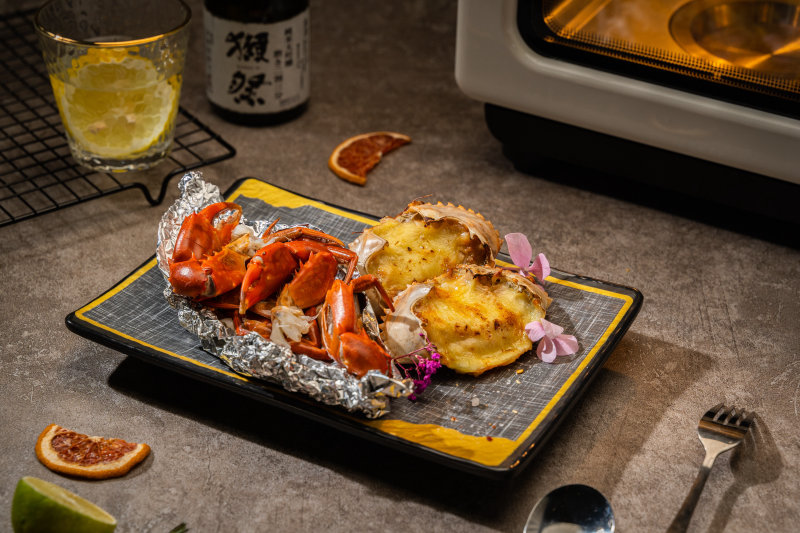
Lobster Tails: Using kitchen shears, cut through the top of the shell lengthwise, keeping the bottom intact. Lift the meat through the cut and rest it on top of the shell. This presentation looks impressive and ensures even cooking. Steam at 210°F (99°C) for 8-10 minutes depending on size. Serve with clarified butter and lemon.
The Steam Oven Advantage for Fish
Beyond the cooking itself, steam ovens offer several advantages when preparing fish. The enclosed environment contains odors that would otherwise fill your kitchen—fish cooking in a steam oven is remarkably low-odor compared to stovetop steaming or pan-frying. Cleanup is easier because there's no splattering. And the precise temperature control means you can cook fish to exactly the texture you want, whether that's a silky medium-rare salmon or a firmly flaky cod.
The steam also does something remarkable to fish skin: it crisps it without frying. At higher temperatures (around 220°F-230°F), the surface moisture evaporates quickly while the steam surrounding the fish keeps the flesh below perfect. The result is skin that crackles like it was fried, with none of the oil.
A Weeknight Fish Strategy
The beauty of steam oven fish is how hands-off it is. Unlike pan-searing, which requires your full attention, steaming lets you prepare side dishes, set the table, or pour wine while the oven does the work. Fish takes 10-15 minutes to steam, during which you can steam vegetables in the same oven (on a different rack) or a separate tier. A complete dinner—salmon with asparagus and baby potatoes—all cooked in steam, ready in under 20 minutes.
Invest in a good instant-read thermometer. After a few batches, you'll develop a sense of timing for your favorite cuts, but until then, the thermometer removes all guesswork. Within a month of steam oven fish cooking, you'll wonder how you ever managed without it.