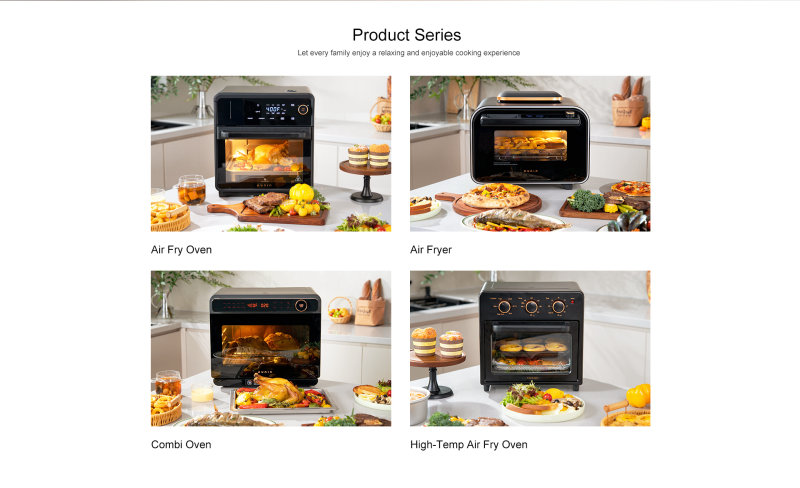
We put the age-old question to rest with an honest comparison. Steam ovens excel at certain tasks but aren't a complete replacement for a conventional oven. Here's exactly when to use each—and why owning both might be the smartest move.
What a Steam Oven Actually Does
A steam oven generates steam internally and circulates it throughout the cooking cavity. This is fundamentally different from placing a pan of water in a conventional oven—the sealed steam oven maintains 100% humidity and precise temperature control that no stovetop workaround can replicate.
The key distinction is that a steam oven doesn't brown or caramelize food the way dry heat does. The moisture in the cooking environment prevents the surface drying that's necessary for Maillard reactions. This is why pure steam mode produces pale, steamed results for bread or roasted meats—there's no crust formation.
Combination modes solve this by alternating or blending steam with conventional dry heat, but the result is still different from a dedicated conventional oven at high temperatures.
Where Steam Ovens Win
Vegetables: No contest. Steamed vegetables retain more nutrients, have better texture, and taste more like themselves than anything from a conventional oven. Broccoli steamed in a steam oven is vibrantly green, crisp-tender, and broccoli-flavored. The same broccoli roasted in a conventional oven at high heat is brown, softened, and tastes roasted—which might be what you want sometimes, but for pure vegetable satisfaction, steam wins.
Fish and seafood: Steam is the gentlest, most forgiving cooking method for delicate proteins. A salmon fillet in a steam oven comes out perfect without any risk of drying out or overcooking. In a conventional oven, fish requires careful monitoring and precise timing.
Bread: Professional bakers use steam ovens for a reason. The humid air during the initial baking phase creates the conditions for maximum oven spring, beautiful crust development (once vented), and an open, creamy crumb structure. Conventional ovens can approximate this with Dutch oven techniques, but it's more work and produces smaller batches.
Custards and emulsified desserts: Cheesecake, crème caramel, flan, and other egg-forward desserts cook more evenly in a steam oven. The humidity prevents surface cracking and produces a silkier, more consistent texture throughout.
Meal prep: The hands-off nature of steam cooking makes it ideal for batch cooking proteins and vegetables. Put food in, walk away, come back to perfectly cooked results without monitoring.
Reheating: Leftover pizza, fried chicken, or any previously cooked food reheats in a steam oven without becoming soggy or rubbery. The moisture penetrates and warms without drawing out additional moisture or requiring oil.
Where Conventional Ovens Win
High-temperature roasting: When you want serious char, caramelization, and Maillard browning—a char on a steak, the blackened edges of roasted peppers, the deeply browned surface of a pot roast—a conventional oven's dry heat is irreplaceable. Steam ovens simply can't produce these results.
Pizza: A home pizza oven reaches 600-700°F for the characteristic leopard-spotted crust. Steam ovens max out around 450°F, which produces a soft, pale crust rather than the crisp, charred exterior of a proper pizza. There's no substitute here.
Baking cookies: The dry heat of a conventional oven creates the crisp edges and chewy centers that define a good cookie. Steam oven cookies emerge pale, soft, and cakey—interesting in their own right, but not what most people want from a chocolate chip cookie.
Caramelization and browning: Whether you're making crème brûlée (where you torch the sugar separately) or roasting onions for a French onion soup, the intense dry heat of a conventional oven achieves browning that steam simply can't.
Kitchen heat: Counterpoint: on hot summer days, the steam oven fills your kitchen with humid heat rather than dry heat. Some people prefer one over the other, but neither is pleasant in summer without good ventilation.
The Combination Approach
The honest answer to "which should I get?" is: it depends on your cooking priorities. For households that cook mainly proteins, vegetables, and bread, a steam oven addresses most of their needs and improves results across the board. For baking-focused households who regularly make cookies, pastries, and pizza, a conventional oven remains essential.
The sweet spot, if you have the budget and counter space, is owning both. Use the steam oven for the majority of daily cooking—vegetables, proteins, batch cooking, reheating—while reserving the conventional oven for high-heat tasks and baking that requires dry conditions. This division of labor plays to each appliance's strengths.
Making the Decision
Consider which category of cooking makes up the majority of your home cooking. If you're cooking vegetables and proteins most nights, a steam oven will improve your results significantly and reduce your workload. If you're an avid baker or pizza enthusiast, your conventional oven should remain your primary tool.
The 100-day trial we offer exists precisely because we know this decision is personal. Try the steam oven as your primary oven for three months and see how your cooking habits evolve. Many customers find they use their conventional oven less and less, reserving it for the specific tasks it handles best. Others discover that steam cooking isn't for them and return to their previous habits. Either way, you'll know after 100 days which category you fall into.